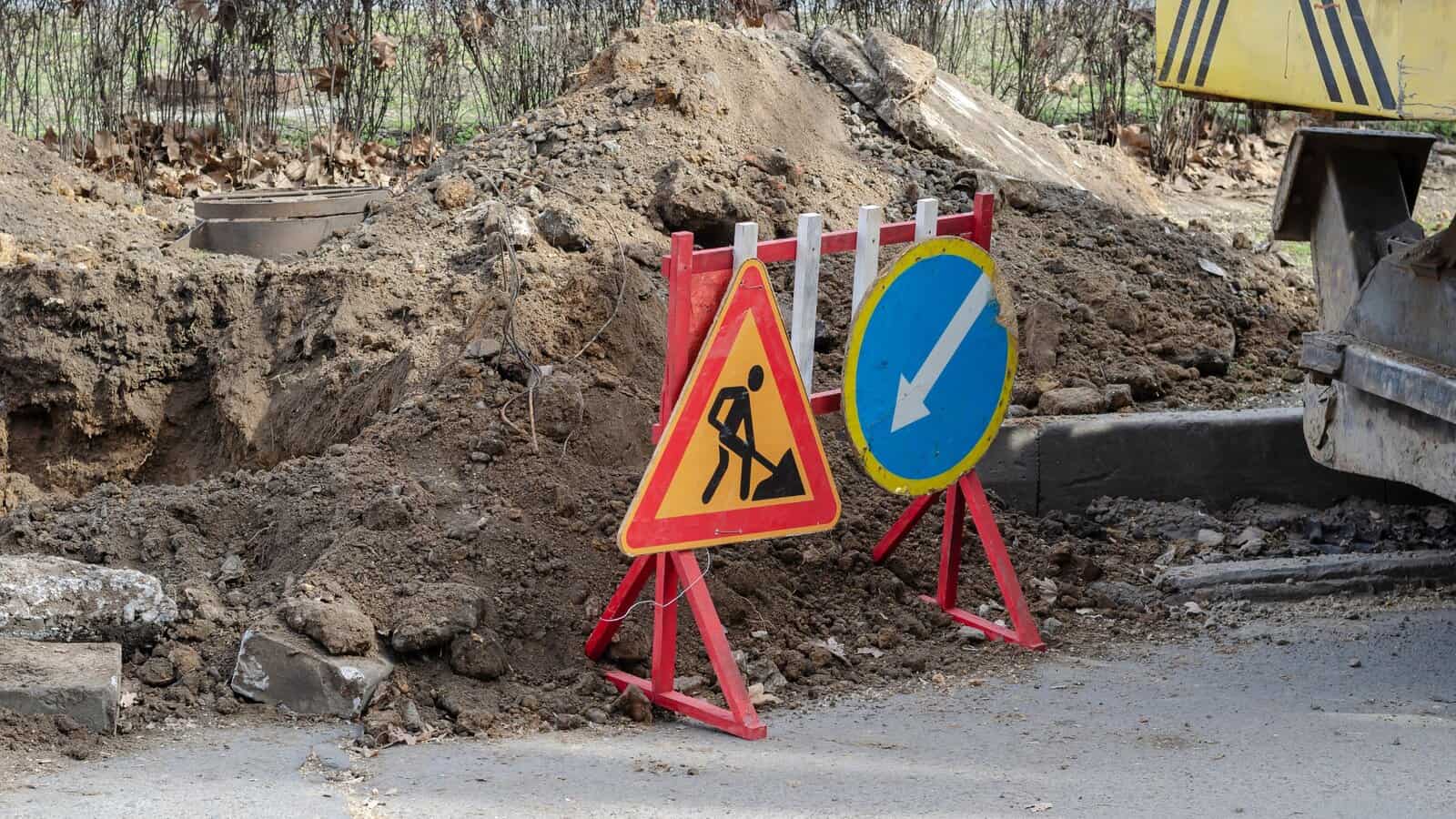
Ensuring excavation and trenching projects remain safe and compliant with regulatory standards takes the expertise of a licensed professional engineer. Without one, trench collapses, hazardous atmospheres, and unstable soils are just a few of the many risks that could occur.
Understanding and applying OSHA trenching requirements (29 CFR 1926 Subpart P) is fundamental to safeguarding lives and maintaining professional integrity.
Understanding OSHA Trenching Requirements
OSHA clearly mandates protective systems for trenches 5 feet deep or more, unless the excavation is made entirely in stable rock. These include:
- Sloping: Cutting the trench walls back at an angle away from the excavation.
- Benching: Creating stepped levels in the trench wall.
- Shoring: Installing structural supports like hydraulic systems or planking.
- Shielding: Utilizing systems such as trench boxes to protect workers in case of collapse.
For trenches 20 feet or deeper, protection must be designed or approved by a registered professional engineer in accord with OSHA requirements.
Even trenches under 5 feet require evaluation by a “competent person” to determine whether a protective system is necessary.
If you want a deeper understanding of excavation and OSHA’s requirements, McKissock offers the CE course you need—sign up for our Fundamentals of Excavation and Trenching course today!
The Role of the Competent Person
OSHA defines a competent person as someone authorized and qualified to identify hazards and correct them promptly. Responsibilities include:
- Daily inspections of trenches, adjacent areas, and protective systems before work begins and after events like rain or shifting soil.
- Soil classification, including distinguishing between stable rock, Type A, B, and C soils—this determines which protective methods are appropriate.
- Guiding safe ramp design, access/egress, and recommending appropriate protective strategies.
Access, Egress, and Falling Hazard Controls
OSHA requires safe means of entry and exit, which includes ladders, ramps, or stairways, in trenches 4 feet deep or more, placed such that lateral travel doesn’t exceed 25 feet.
To prevent falling hazards, excavated materials, tools, and equipment must be kept at least 2 feet from trench edges, and heavy equipment should also be kept back to reduce surcharge pressure.
Atmospheric and Water-Related Hazards
Confined space atmospheres can become dangerous quickly. OSHA requires:
- Atmospheric testing before entering trenches deeper than 4 feet if oxygen deficiency or hazardous gases may be present.
- Use of ventilation or respiratory protection if levels are unsafe.
- Immediate availability of emergency rescue equipment, such as breathing apparatus, safety harnesses, lifelines, or basket stretchers.
Water accumulation can undermine trench stability and impair egress. OSHA mandates employers to:
- Avoid worker entry where water accumulates unless protective measures (e.g., support systems, water removal, safety harnesses) are in place.
- Use diversion ditches or dikes if natural drainage is interrupted.
- Ensure water removal equipment is monitored by a competent person.
Additional Hazards and Safeguards
Certified engineers must also mitigate:
- Stability risks to adjacent structures: Support systems like underpinning or shoring must be used where needed, or a registered professional engineer must approve that stability is unaffected.
- Falling rock or soil: Loose material should be scaled or barricaded to protect workers below.
- Underground utilities: Locate installations before excavation. Use detection tools or wait for utility companies to respond.
Best Practices for Engineers: An Action Guide
- Plan meticulously: Classify soil, evaluate groundwater, survey utility locations, and determine protective system requirements.
- Appoint a competent person: Ensure daily and situational inspections and authority to halt work if needed.
- Design protective systems: Apply sloping, benching, shoring, or shielding as appropriate. Bring in P.E. design for trenches ≥ 20 feet.
- Ensure safe access/egress: Keep equipment/materials back and install ladders or ramps within compliance.
- Monitor air and water hazards: Test, ventilate, and supply rescue gear; manage water accumulation proactively.
- Protect surrounding structures: Plan and engineer support when excavations approach foundations or utilities.
- Document everything rigorously: This includes plans, qualifications, inspections, and corrective actions.
Learn More with McKissock Learning
Curious how you can become the competent person on your site or deepen your OSHA excavation knowledge? McKissock Learning offers a comprehensive continuing education course tailored for professional engineers: Fundamentals of Excavation and Trenching.
Enroll today to elevate your safety strategy and stay OSHA-compliant.
By integrating your professional engineering expertise with the latest OSHA trenching requirements, you can safeguard workers, meet compliance standards, and demonstrate leadership in excavation safety.